Underneath simple reasons like "celebrating" or "seeing friends" lies a mix of psychological motives that have less to do with any specific venue and more to do with how humans respond to time, place and other people.
Evening as a mental boundary
For many, the shift from day to night marks a psychological break. Daytime is associated with work, obligations and constant communication. Evenings signal a narrow window where you are still awake, but obligations are weaker.
In that window, people can temporarily step out of the roles they hold during the day: employee, manager, parent, student. They can choose company, pace and environment more freely.
Social connection as a core driver
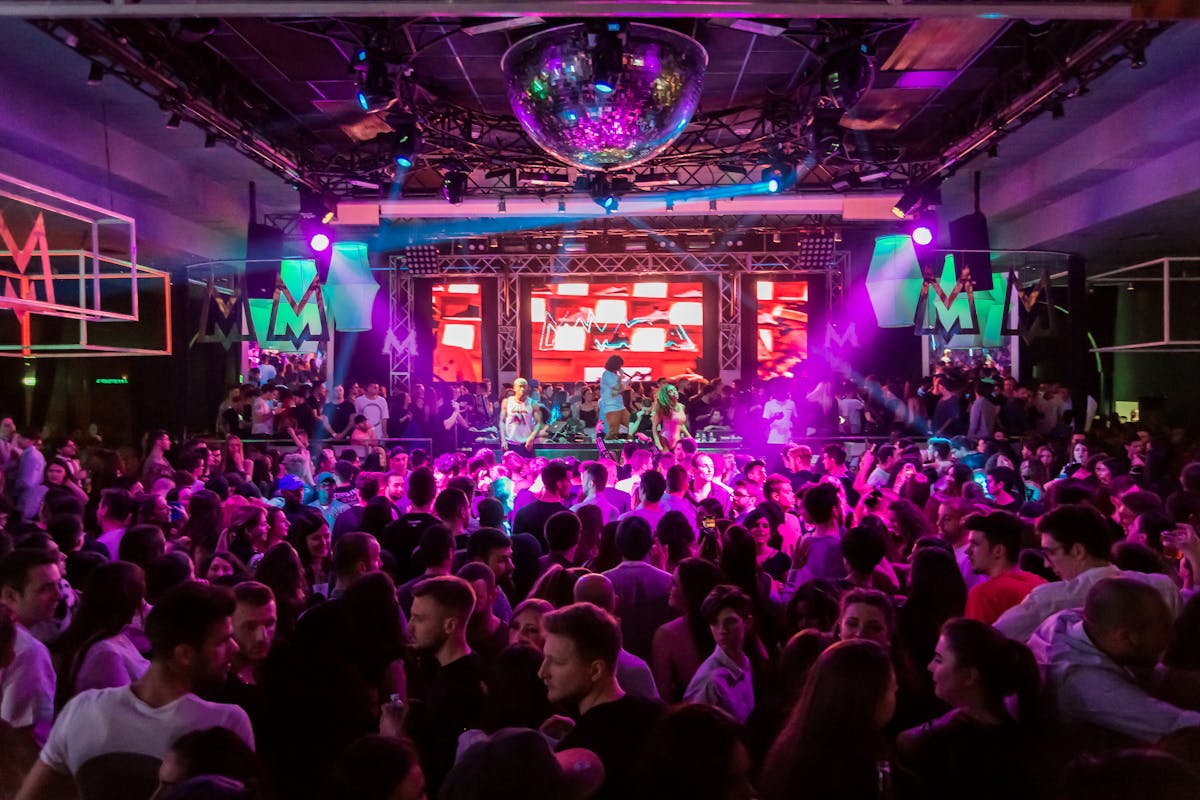
Humans are social animals; evenings concentrate the part of the day where social interaction can happen without competing with work. Nightlife activities revolve around other people, reminding us that we belong to a larger community.
Belonging and shared experience
Being part of a crowd at a concert or just chatting around a table in a small bar create a temporary sense of belonging. Those moments simply remind people that they are not alone.
Expression and identity experimentation
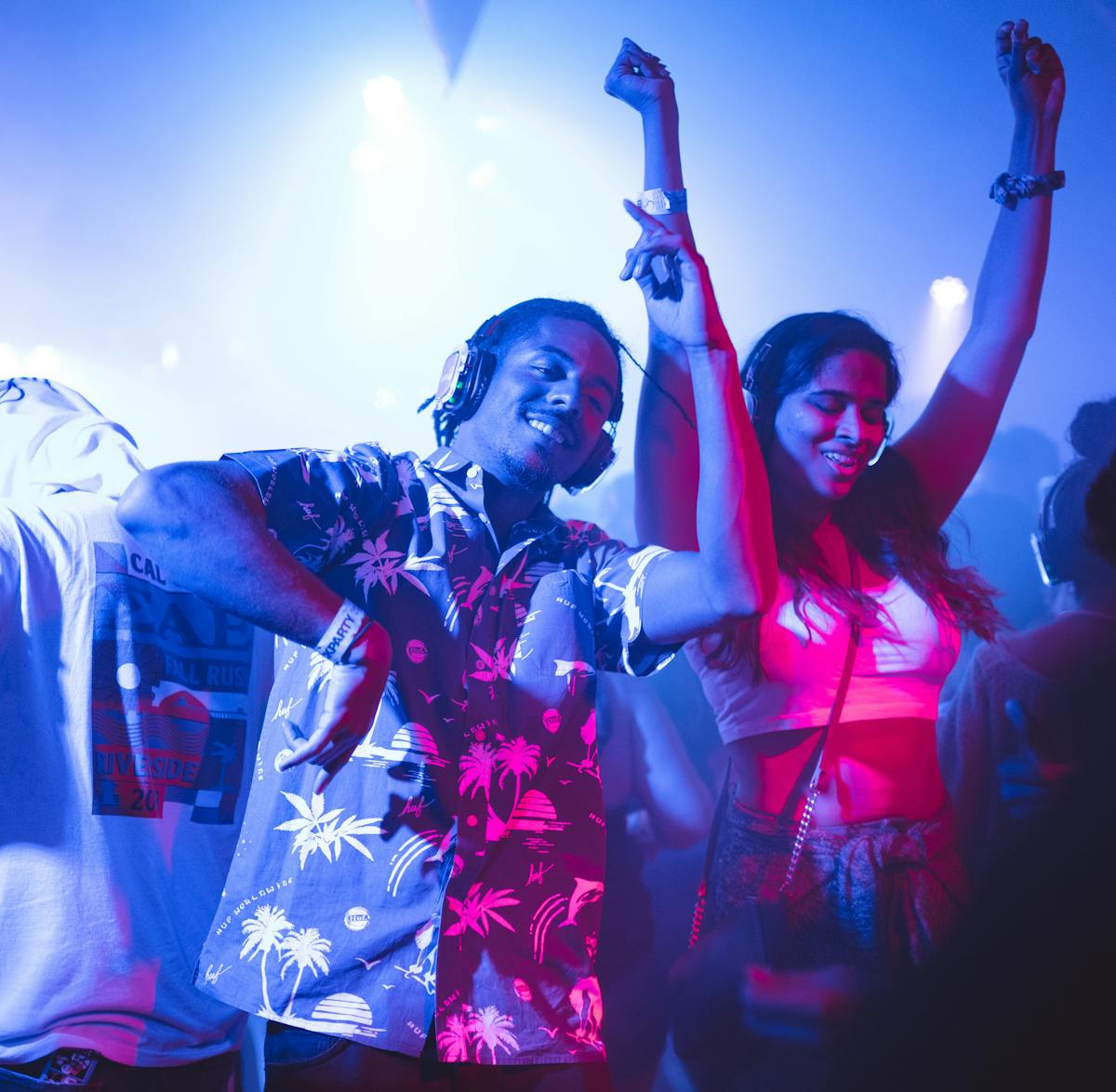
Nightlife spaces are often where people feel freer to experiment. A quiet person at work may be far more talkative in a familiar bar; someone who spends all day in a strict dress code may enjoy a place where nobody cares what they are wearing.
Escaping routine without abandoning reality
Nightlife often gets described as “escape”. In practice, it tends to be more like a controlled break from repetition. People look for environments that are different enough from their daily routine to feel fresh, but not so strange that they cannot relax.
Why understanding the psychology matters
When planners and business owners recognise that nightlife is about connection and identity, they can design spaces differently. Lighting, seating, and music levels all play a part in how safe and welcome people feel.