If you compare a typical night out in a US city today with one a decade ago, you will notice many subtle changes. The places people choose and the expectations they bring into an evening have all shifted.
From one dominant model to a mix of formats
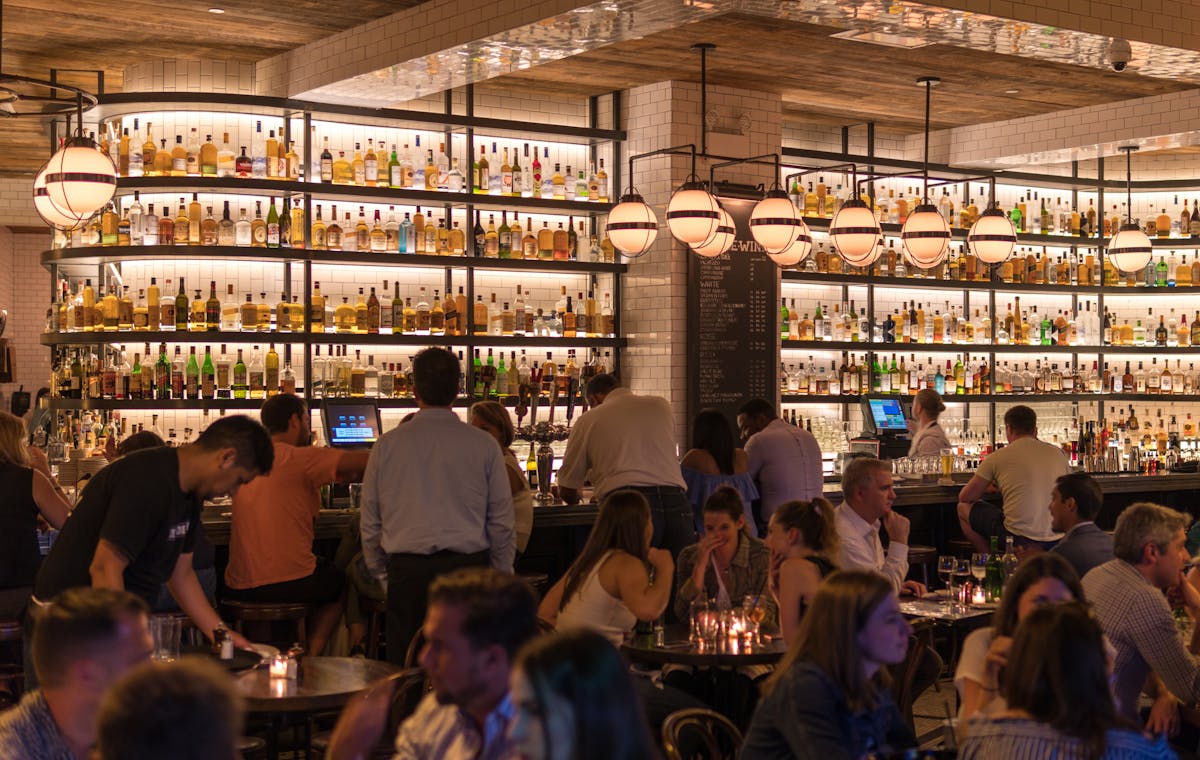
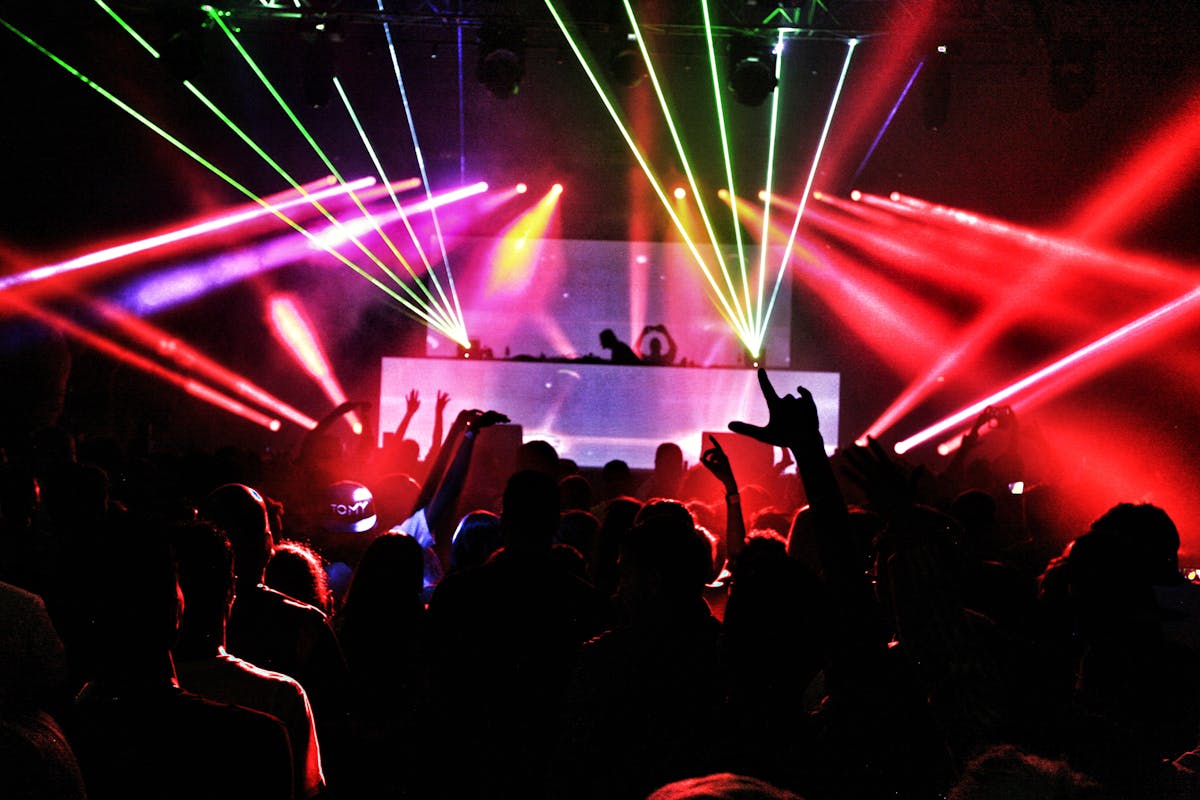
For a long time, conversation about nightlife focused heavily on bars and clubs. Those still matter, but they now share attention with a growing list of alternatives reflecting a more diverse definition of a "good night out".
- Hybrid spaces: Coffee by day, cocktails and community events by night.
- Activity-based venues: Arcade bars, board-game cafes, and boutique bowling.
- Conversational lounges: Focused on atmosphere rather than loud music.
The role of technology
Smartphones have deepened their role in how we navigate the night. Maps, reviews, and group chats have removed many "unpleasant surprises" from urban exploration.
| Tool | Typical impact on nightlife |
|---|---|
| Maps & Reviews | Discovery of niche locations and safety checking. |
| Group Chats | Seamless last-minute coordination and safety check-ins. |
| Mobile Payments | Faster transitions between venues and bill splitting. |
Wellbeing, pace and the idea of a “good night”
One noticeable shift is the open conversation about balance. Today, people prioritize feeling "okay" the next day, leading to earlier events and diverse non-alcoholic options.
The Shift Towards Balance
Ten years ago, nightlife was described in extremes. Today, it’s about comfort, quality of conversation, and accessibility.
City policies and neighbourhood responses
Local governments have responded to expanded evening activity with updated zoning, lighting projects, and noise regulations. This has triggered vital debates about gentrification and who actually benefits from the growth of evening economies.
Looking ahead: what might change next
The probable path is continued diversification. The human need for connection remains constant, but the way we seek it will keep evolving alongside technology and social values.